
Acıgöl is a town and district in the Nevşehir Province of the Central Anatolia region in Turkey. While Acıgöl may not be as internationally renowned as some other areas in Nevşehir (like Göreme and the Cappadocia region), it has its unique historical and geographical aspects. Here’s a brief overview of its history:
1. Geological Origins: The name “Acıgöl” translates to “bitter lake,” which is appropriate given the region’s large endorheic salt lake. The formation of this lake is tied to the volcanic activities in the region, which also gave rise to Cappadocia’s unique rock formations.
2. Ancient History: Like the rest of Cappadocia, Acıgöl would have been inhabited by various ancient Anatolian peoples, including the Hittites. The region was also influenced by other civilizations that controlled the broader Cappadocian area, such as the Phrygians, Persians, Romans, and Byzantines.
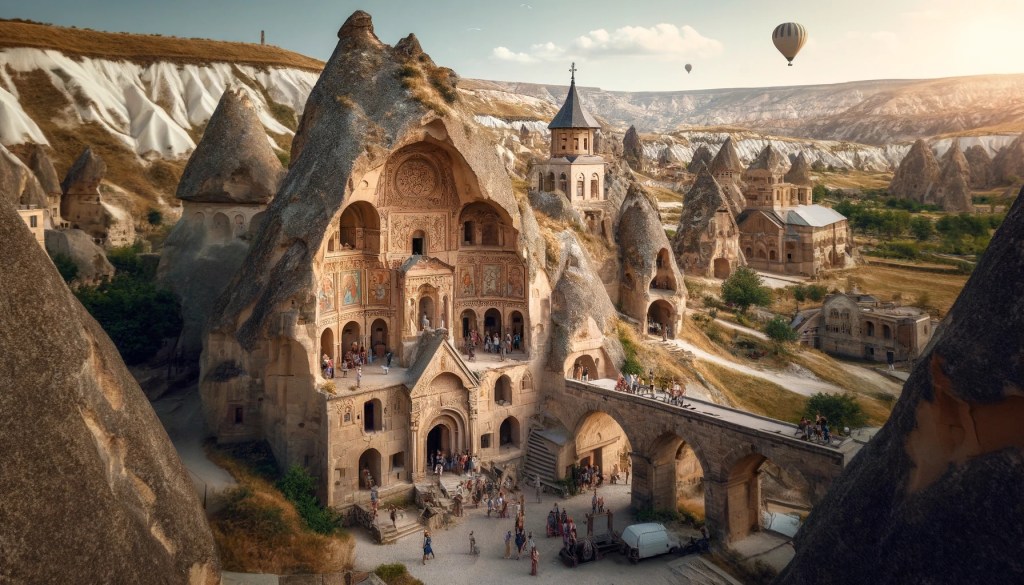
3. Byzantine Era: The broader Cappadocia region became a refuge for early Christians fleeing Roman persecution. While the most famous rock-cut churches and underground cities are to the east in Göreme and Derinkuyu, the entire region, including Acıgöl, was influenced by this Christian presence.
4. Seljuk and Ottoman Periods: After the Battle of Manzikert in 1071, Anatolian Seljuks began to settle in the region. The area would eventually come under the control of the Ottoman Empire.
5. Modern Era: With the formation of the Republic of Turkey in 1923, Acıgöl became a part of Nevşehir Province. Over time, it has remained a more rural and less touristed part of the province compared to areas like Ürgüp or Göreme.
It’s worth noting that while this provides a general historical context for the Acıgöl region, specific historical records or findings tied to Acıgöl might not be as extensively documented as more prominent locations in Nevşehir or Cappadocia. If you’re interested in more detailed historical insights, local museums or historical societies in Nevşehir might have more in-depth resources.
Acıgöl, located in the Nevşehir Province of Turkey, might not be as famous as other parts of Cappadocia, but it offers some unique attractions for those who seek a quieter, off-the-beaten-path experience. Here are some sightseeing options in and around Acıgöl:
1. Acıgöl Lake: As the name suggests (meaning “bitter lake”), Acıgöl is home to a salt lake. This endorheic lake offers a picturesque landscape, especially during sunset. The lake’s crusty salt formations provide a unique terrain and are a testament to the region’s geological history.
2. Volcanic Formations: The region around Acıgöl has various volcanic rock formations. Though they might not be as intricate as the fairy chimneys in Göreme, they still present an interesting landscape.
3. Traditional Villages: The area has a number of villages that maintain traditional Anatolian lifestyles. Visiting these can provide an authentic experience and an understanding of local life.
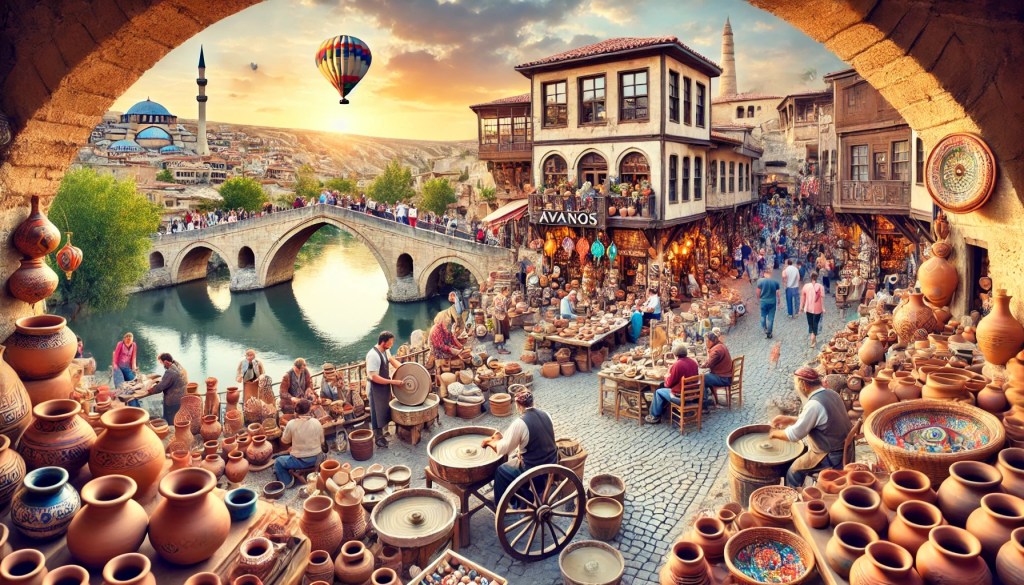
4. Local Handicrafts: Like much of Cappadocia, Acıgöl has its artisans. While the town isn’t as famous for pottery as Avanos, you may come across local crafts and unique items not found in more touristy areas.
5. Proximity to Other Attractions: Acıgöl’s location in Nevşehir Province means it’s relatively close to some of Cappadocia’s major attractions. Göreme Open-Air Museum, Derinkuyu Underground City, Uçhisar Castle, and the Ihlara Valley are all within a reasonable driving distance.
6. Local Festivals: Depending on when you visit, there might be local festivals or events taking place. These events often showcase local music, dance, food, and traditions.
7. Nature Walks: The terrain around Acıgöl is suitable for those interested in hiking or nature walks. The unique landscape combined with the tranquility of the area makes it a peaceful spot for outdoor activities.
While Acıgöl might not have the extensive tourist infrastructure seen in other parts of Cappadocia, its charm lies in its authenticity and calm. It’s an excellent place for travelers looking to escape the crowds and experience a quieter side of the region. As always, when visiting lesser-known destinations, it’s a good idea to check with local tourism offices or guides to get the most up-to-date and detailed information.
Tatlarin, located near Acıgöl in the Nevşehir Province, is one of the lesser-known yet historically significant sites in the Cappadocia region. Here are some of its features and historical background:
Tatlarin Underground City:
– While Cappadocia is famous for its underground cities, such as Derinkuyu and Kaymaklı, Tatlarin offers a unique underground city experience.
– The Tatlarin Underground City is distinct due to its size and the types of spaces carved within. In addition to the usual rooms like storerooms, living quarters, and wine cellars found in other underground cities, Tatlarin also has chapels, suggesting a substantial Christian presence.
– The underground city might have served as a refuge during times of conflict and invasion, particularly for early Christians who faced persecution.
Rock-Cut Churches:
– Cappadocia, including the Acıgöl-Tatlarin area, is famous for its rock-cut churches. In Tatlarin, you can find churches carved into the soft tufa rock with frescoes that give insights into the religious practices and art of the time.
Agriculture and Local Life:
– Today, Tatlarin and the surrounding areas are known for their agricultural productivity. It’s an excellent place to observe rural Anatolian life.
Proximity to Other Sites:
– Being in Nevşehir Province, Tatlarin is conveniently located near other major Cappadocian attractions. After exploring Tatlarin, visitors can easily head to Göreme, Uçhisar, or other renowned sites in the region.
If you plan to visit Tatlarin, it’s essential to wear comfortable footwear, as the underground city and the surrounding terrain might require climbing and walking on uneven surfaces. Also, due to its lesser-known status, it might be helpful to hire a local guide or join a tour to get a comprehensive understanding of the site’s history and significance.